


Table of Contents:
When seasons change most people change their wardrobes at the same time, whether from winter to spring or summer to fall. This seasonal closet swap is necessary, but, for many, it can be a bit overwhelming.
To reduce your stress while you change the way you dress, NSA Storage offers these top tips on how to do an easy seasonal clothing swap. Read on to discover them all and make your next seasonal closet swap a simple, straightforward task.
Tip 1: Declutter Your Closets First
This tip is one given for many different tasks, and is perfect for your next seasonal clothing swap. It’s simple: before you start to swap, declutter all your closets.
The thing is, in most closets, clutter is par for the course, especially for teenagers and younger kids. If you try to swap while everything’s a mess, it can take longer and be more confusing. Instead, do this:
- Toss any clothes that are worn out and no longer wearable.
- Donate gently used clothes you don’t want any longer.
- Give away clothes you no longer want to friends and family.
- Sell any vintage clothes you don’t want but might be valuable to a collector.
- Arrange everything that’s left by type, color, usage, etc. (That way, you store like with like.)
Tip 2: Have Plenty of Clothing Storage Containers On Hand
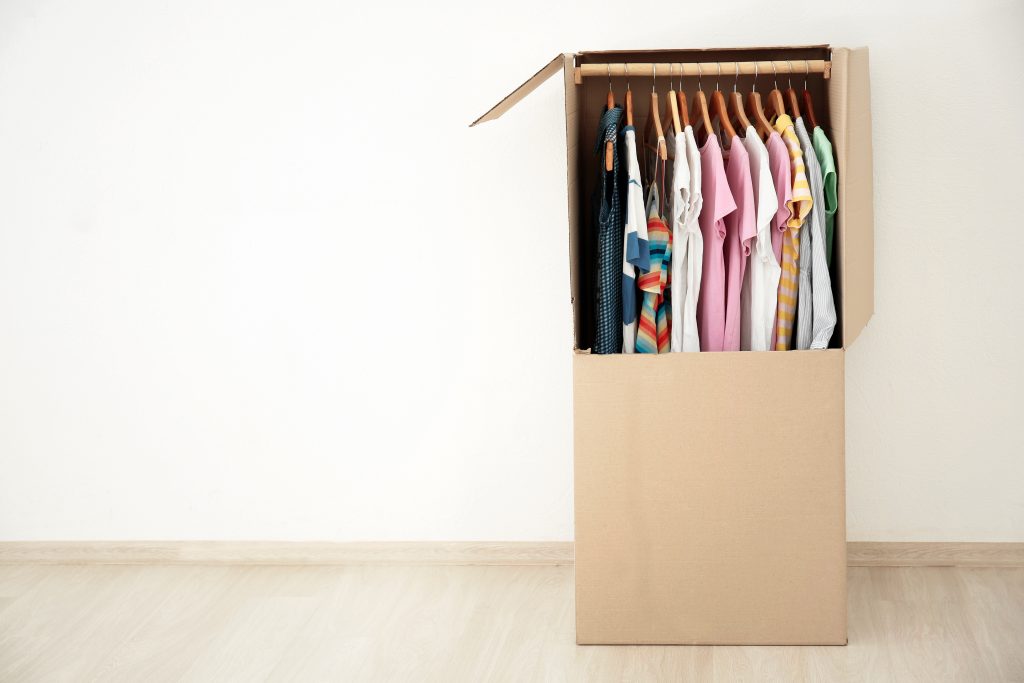
Unless you have unlimited closet space, you’ll need to pack up and store the clothes you won’t be needing. To do that, it helps to have plenty of storage containers on hand when you make the swap. For example:
- Wardrobe boxes- These large, double-corrugated boxes are made specifically for hanging clothes. They have a metal bar for hanging and are durable and strong.
- Large, clear plastic bins- You want bins that are clear so that you can see what’s inside. Plastic is also preferred as it will keep out pests and water.
- Long, flat plastic bins with wheels- These are perfect for storing clothes under a bed.
- A vacuum-sealing device- Although not recommended for fine clothes, vacuum-sealing is definitely a space saver. (Hats, gloves, t-shirts, jeans, and more can be stored in a vacuum-sealed bag.)
Tip 3: Once Your Clothes are Swapped, Organize Your Closet Well
Now that you’ve removed one season’s clothing from your closet, be sure to organize the current season’s clothes as well as you can. That way, you’ll be able to grab what you want more quickly and easily. Here are a few tips to organize your closet(s) like a pro:
- Group clothes by category. For example, sweaters with sweaters, dresses with dresses, slacks with slacks, etc.
- Use thin hangers for thin clothes. No need to take up space with thick hangers when you don’t need them.
- Use an over-the-door organizer for smaller items, shoes, accessories, etc.
- If you can, add some shelves or hanging drawers for things like socks, belts, and other small clothing items.
Tip 4: Use Pest Deterrents to Keep Your Stored Clothes in Pristine Condition
One of the worst things that can happen to stored clothes is that moths, carpet beetles, or rodents get to them. The damage these critters can cause is often extreme, with large holes that can’t be fixed. Rats and mice can also contaminate otherwise untouched clothes with their dropping and urine.
To prevent pests from destroying your clothes while they’re stored for the season, you have a few choices:
- Red cedar planks or blocks, which are a natural repellent. You can even find red cedar blocks with hangers to hang between your clothes.
- Sachets filled with lavender, another natural repellent.
- A sachet filled with cinnamon, bay leaves, and cloves.
- Cotton balls with a dab of eucalyptus or peppermint oil on them.
Tip 5: Store Clothes in a Clean, Dry, Dark Area
Two things that can ruin clothes while they’re stored are moisture and sunlight. That’s why, when you store clothes for the season, you need to find a clean, dry, dark place for them. Here are a few suggestions and a few warnings:
Suggestions:
- If your garage is clean and dry, it’s a good spot.
- The back of a large closet, out of your way.
- A climate-controlled storage unit is a great choice for valuable clothes or large wardrobes.
- A spare bedroom
Warnings:
- Don’t store clothes in your basement unless it’s very dry. Most basements are simply too damp.
- Your attic is a bad choice as extreme heat can damage many types of material.
- Sheds are often a home for rats and mice, and so not a good idea for storing clothes.
Tip 6: Get the Entire Family Involved
Unless you’re single or have no children, getting everyone involved in your seasonal closet swap is a good idea. Not only will it save you some time and effort, it’s a great way to show your kids how it’s done!
Another reason is that, with your kids in the mix, you’ll be able to see what they’ve outgrown or possibly ruined. Once you do, you can toss or donate those items.
Tip 7: Wash Clothes Before Storing Them
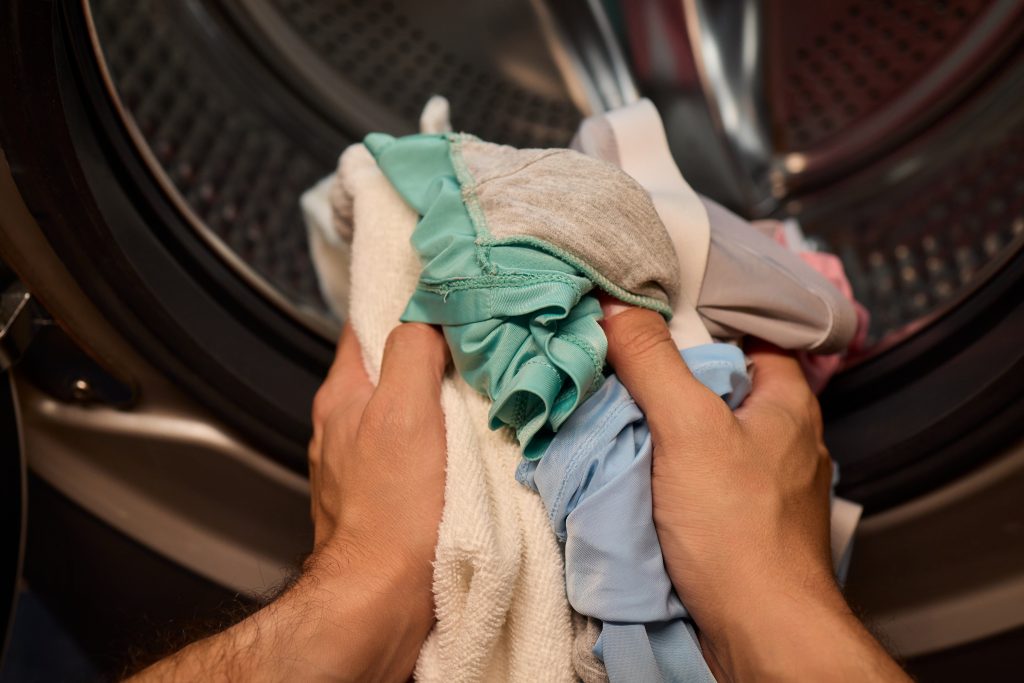
This last tip is one that can make a difference in whether your clothes are good next season or not. It’s a simple one, too: wash them before storing them.
Here’s the thing; bugs and rodents are attracted to body oils and food residue. You’ll find both on many items of clothes if they’re not washed well. In short, washing will help prevent clothing damage from insects and vermin.
Store Your Clothes At NSA Storage After Your Seasonal Closet Swap
Using the tips above will make your seasonal clothing swap less stressful and more fun. They will also prevent damage to the clothes you put away until next season.
If you find that there’s not enough storage space in your home for your winter or summer clothes, NSA Storage can help. Our clean, safe storage units can be found all over the country. They’re secure, too, so you can spend the season in peace knowing your clothes are in good hands. Reserve your storage unit today and you can start using it right away!