
Table of Contents:
- Top Tips for Identifying the Value of Your Books
- Look for First Editions
- Scarcity Increases a Book’s Value
- A Signed Copy can Often Increase a Book’s Value
- Culturally or Historically Significant Books are Usually Worth More
- The Book’s Condition is Important
- How To Assess a Book’s Condition
- The Best Ways to Store Valuable Books
- Should You Use Climate Controlled Self Storage for Your Books?
- Store Your Valuable Books with NSA Storage
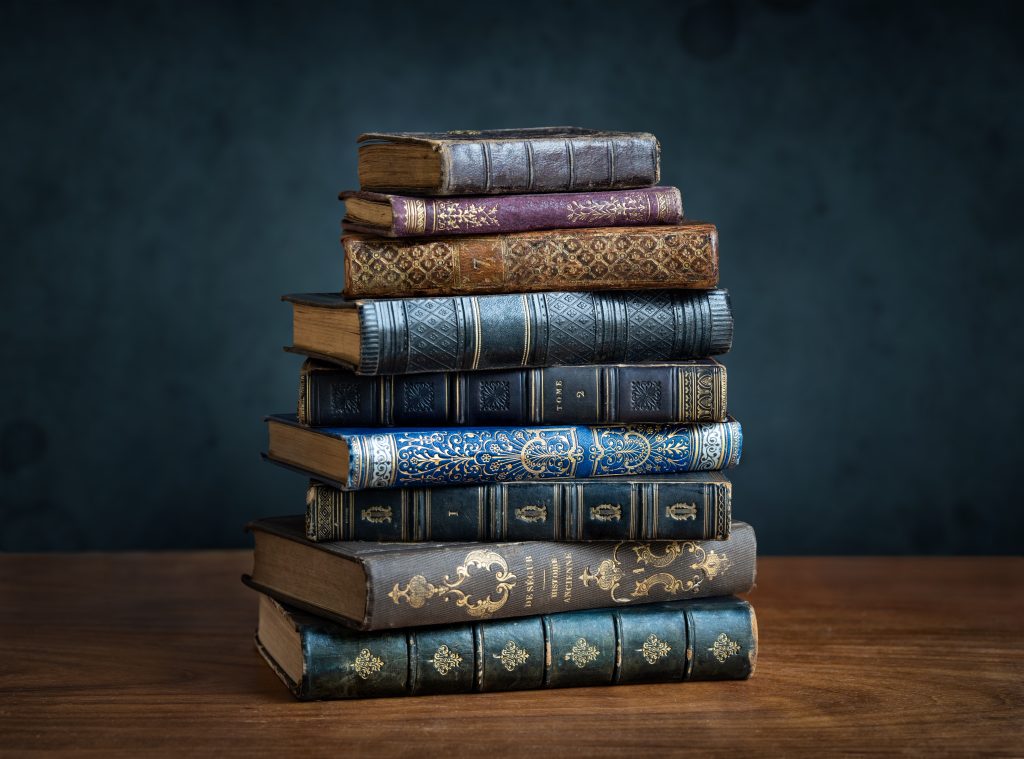
For thousands of years, books have been one of humanity’s preferred ways to spread information, stories, and points of view. If you collect books, this rich history provides a treasure trove to choose from, but also leaves one question: what are your books worth?
To help you determine the answer, NSA Storage put together this quick and handy guide to identifying valuable books. There are also some excellent tips for storing your books, as keeping them in pristine condition helps guard their value. If that sounds like the actionable info you’re searching for today, read on, book lover!
Top Tips for Identifying the Value of Your Books
There are billions of books out there on store shelves, in bookcases, and in many other places. Some are rare and valuable but, truth be told, most are not. To figure out the difference and determine if your books are valuable, use the following tips:
Look for First Editions
All books have a first edition, which basically is the first printing of the book. If it becomes popular and all those copies sell, a 2nd, 3rd, or even 4th edition will be printed.
For collectors seeking high value, the first edition is almost always the highest. There’s just something about being “first” that collectors crave, so keep that in mind as you search. Here’s a quick checklist to help:
- The copyright page will often say “First Edition” or “First Printing”, which are the same thing.
- Look for the number line or “printer’s key”. If it starts with the number “1”, it’s a first edition.
- Look at the dust jacket for clues.
- Check the publisher info to be sure it matches the original. Some companies buy a book and reprint it themselves.
Scarcity Increases a Book’s Value
Scarcity means that something, including a book, is scarce or was made in limited quantities. The fewer copies of the book that were made, the more valuable it can be.
A Signed Copy can Often Increase a Book’s Value
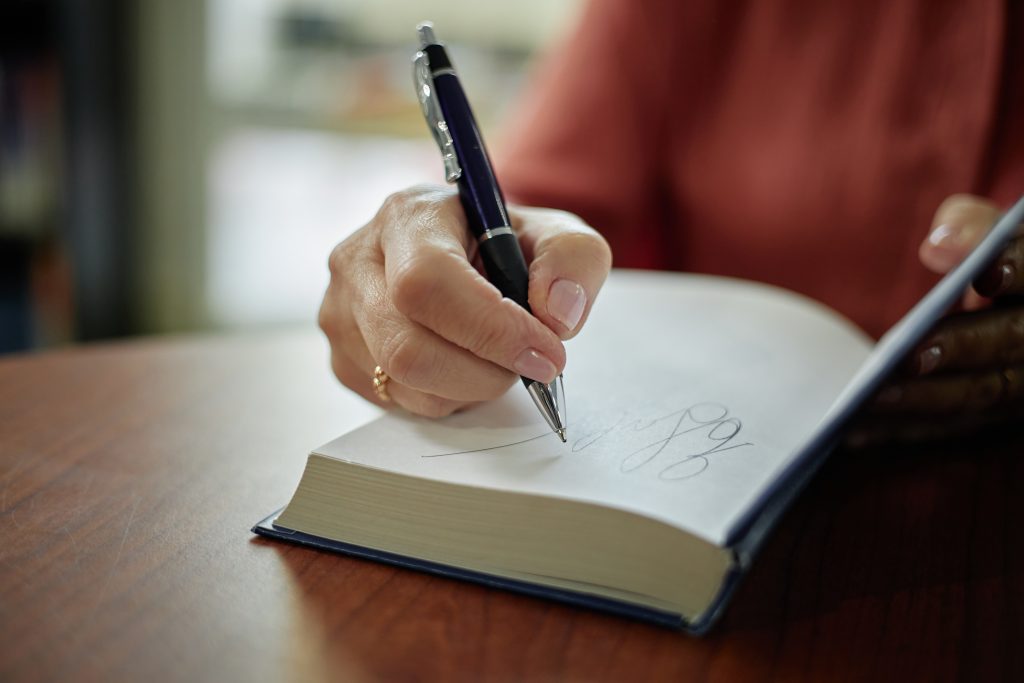
Books signed by their original author are often more valuable, especially if the author, or the book, are well-known. A signed copy of “Jaws” by Peter Benchley, for example, will be much more valuable than another copy of the same exact book.
Culturally or Historically Significant Books are Usually Worth More
Did the book you’re buying cause a revolution? Was it printed during a significant time, like the American Civil War or the European Renaissance? If yes, or something similar, that book might be worth a fortune.
The Book’s Condition is Important
As with all collectibles, the condition of a book is a significant factor in its overall worth. If you have two of the same book and one is in great shape while the other is worn, torn, or ragged, the former will almost always be more valuable than the latter. Speaking of which, the next section goes into how to quickly and easily determine a book’s condition.
How To Assess a Book’s Condition
Being able to quickly determine a book’s value is important if you’re going to collect them for their value. Below are the things to look for before buying any book for your collection.
- Is the dust jacket included and in good shape?
- Is the book’s binding secure and strong or weak and failing?
- How are the pages? If they’re torn, stained, or “foxing” (getting brown spots), the value will be lower.
- Are there marks, stamps, or handwriting on the book? That’s a bad sign, as books without these will typically have a higher value.
- How is the book’s overall appearance? Any book you buy should look presentable. If it looks like it was abused or mishandled, you might want to avoid buying it.
The Best Ways to Store Valuable Books
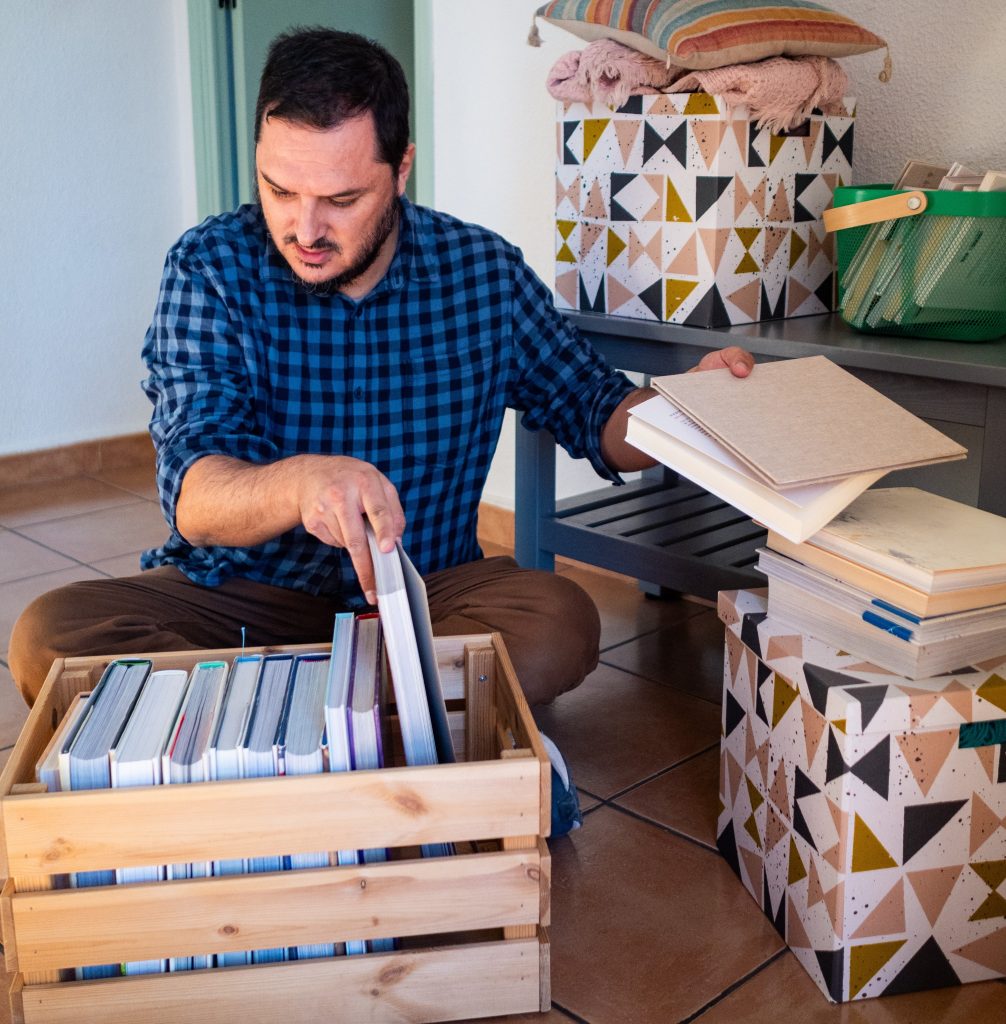
Once you have a book, or an entire collection, knowing how to store them becomes very important. Below are some of the key rules you should follow to preserve your rare and valuable books while in storage:
- Avoid sunlight. You should always store your books in a dark, or dimly lit, area. That’s because the UV rays of the sun can fade a cover and weaken it, even indirect sunlight.
- Keep most books upright. Storing your books vertically will prevent warping. For extra large books, however, you can store them flat.
- Make sure the humidity and temperature are stable. Fluctuating humidity can cause mold and warping. Temperature fluctuations can also damage your books. You should keep them in an area where the humidity is between 30-50% and the temperature stays between 65-70°F.
- Wash your hands or wear gloves before handling your books. Even if your hands are “clean”, they can still have oils on them that can damage a book’s fragile paper. Book experts recommend wearing light gloves when handling rare books.
Should You Use Climate Controlled Self Storage for Your Books?
Figuring out where to store your books depends on how many you have in your collection. If it’s small or modest, storing them at home in a cool, dry place is probably best. However, if you have a large or even massive book collection, a climate controlled storage unit is likely your best choice.
Here’s the thing: a climate-controlled storage unit keeps the humidity and temperature inside the unit stable throughout the year. These specialized storage units also protect your books from insects and rodents, both of which can cause major damage.
Lastly, when you rent a climate control storage unit, you can use any organization options you wish. Shelving racks, for example, can make storing your valuable books easier. They can also make it easier to find a specific book when you want it.
Store Your Valuable Books with NSA Storage
There’s no denying that books have helped humanity grow, learn, and be inspired. We hope today’s article has done the same, albeit on a smaller lever, and you’ve gleaned some valuable, actionable information.
Need a storage unit to store your book collection? If yes, contact NSA Storage today in person or online. Our clean, safe storage units will provide a safe haven for all of your precious books, especially our climate-controlled storage units.