
If you’re thinking of putting your items in self-storage, or if you’re one of millions of Americans who already have a storage unit, it’s important to know how to protect your stored items. In the winter months, extreme cold can damage your belongings. Even worse is that the signs of cold damage are hard to see until it’s too late. Figure out which items are vulnerable and how to protect them with this guide from NSA Storage.
What Causes Cold Damage in Self Storage?
You might think that cold damage is all about freezing temps. What actually causes most cold damage, however, is moisture.
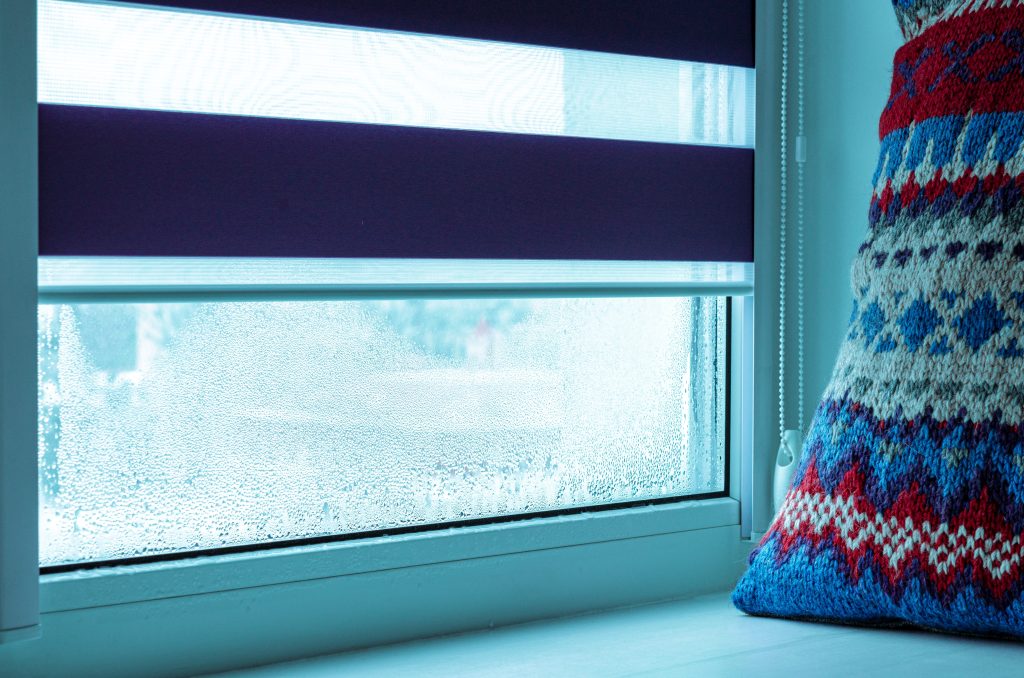
Falling temperatures cause moisture in the air to turn into condensation. This moisture can cause wood to warp, metal to rust, and electronics to corrode. It also causes mold and mildew, which can be extremely damaging to many items.
Another reason for cold damage is that, when something freezes, it contracts. Then, when it warms up again, it expands. If this happens often enough, the contraction and expansion can weaken and even destroy, many items. That’s why major temperature swings can cause damage while something is in a storage unit.
To summarize, cold damage in storage can be caused by:
- Temperatures below 32°F or 0°C
- Rapid or constant temperature swings
- Condensation and the moisture it creates
- Contraction and expansion of materials
Items that are Most at Risk for Cold Damage in Storage
There are a wide range of items that are at risk of cold damage in storage. Below we’ll take a look at all of them, what can happen, and how to avoid costly or irreversible damage.
Electronic Equipment
Electronics are one of the most commonly damaged items in storage due to cold. Moisture from condensation is typically the culprit, damaging internal components, screens, and, especially, batteries.
Electronics most at risk include:
- TVs
- Computers, including laptops and PCs
- Gaming consoles
- Printers
- Stereo equipment like speakers, subwoofers, etc.
Also, keep in mind that tools and appliances are also electronics, just on a bigger scale. These include:
- Fridges and freezers
- Washers
- Dryers
- Power tools
- Lawn equipment
Damage Prevention Tips:
- Whenever possible, store electronics in their original packaging
- Store them off of the floor
- Wrap electronics in moving blankets if you don’t have their original packaging
Furniture
Many kinds of common furniture can be damaged by cold while in storage. The expansion and contraction leads to cracking, warping, and other damage. Leather-bound furniture can dry out and crack, and any type of fabric can grow mold and mildew if it gets wet.
Furniture most at risk include:
- Anything made of wood, like tables, chairs, and dressers
- Furniture with veneers
- Upholstered furniture
- Leather furniture
Damage Prevention Tips
- Don’t cover furniture in plastic
- Use breathable covers or moving pads
- Ensure good ventilation
Clothing and Textiles
Moisture can cause mold and mildew, which breaks down the fabric. This can happen quite quickly, so prevention is a must.
Clothing and textiles most at risk include:
- Anything made with leather
- Wool clothing
- Vintage clothes
- Wedding dresses
- Blankets
- Rugs
Damage Prevention Tips
- Clean everything well before storage
- Dry thoroughly
- Use garment bags or wardrobe boxes
Documents, Photos, and Paperwork
It’s probably not a surprise that most paper can be negatively affected by moisture. Condensation due to cold swings affects papers, documents and photos, which can become brittle, discolored, and cracked. Even worse, restoring them afterward is almost impossible.
Paper items most at risk include:
- Photographs
- Legal docs
- Books
- Comic books
- Paintings
- Posters
Damage Prevention Tips
- Keep papers off of concrete floors
- Use specialized archival boxes
Common Kitchen Items
Many everyday kitchen items were never designed to be frozen, especially if they contain liquids. Expansion can make them brittle and even cause some containers to burst.
Common kitchen items most at risk include:
- Ceramics
- Candles
- Glassware
- Tableware
- Anything with liquid inside
Damage Prevention Tips
- Dry everything well
- Use boxes with plenty of padding
- Wrap things well with paper
- Avoid storing liquids
Musical Instruments
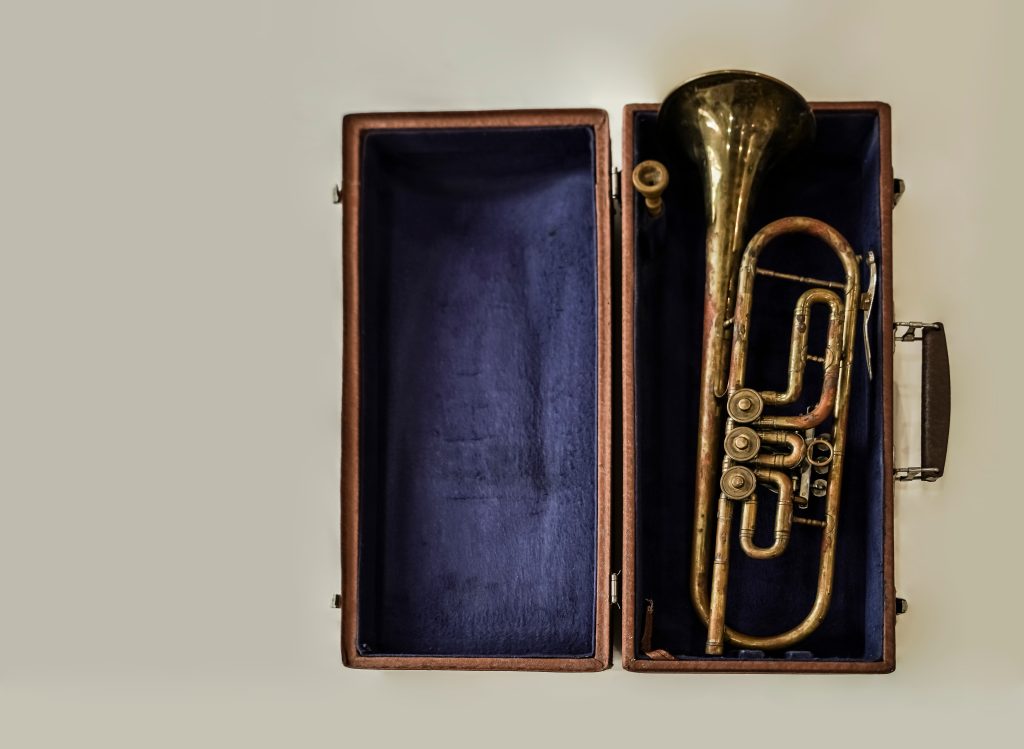
Musical instruments are especially sensitive to extreme cold. Cold air, for example, affects their tension. Expansion and contraction damages wood integrity, also, and can damage metal components.
Musical instruments most at risk include:
- Pianos
- Brass instruments like trombones, and trumpets
- Woodwind instruments like clarinets, flutes, and saxophones
- String instruments like guitars, violins, violas, and cellos
Prevention Tips
- Store instruments in their hard case
- Clean and dry them well before storage
- Keep them off concrete floors
- For long-term storage, loosen their strings
Climate Controlled Storage: A Good Solution to Cold Damage
One of the very best ways to prevent cold damage in storage is to use a climate controlled storage unit. These specialized storage units provide several benefits over normal units, including:
- Humidity control
- Temperature maintenance
- Improved air circulation
- Protection from direct sunlight
Climate controlled storage units keep the temperature and humidity stable year-round. This prevents the contraction, expansion, and condensation that are the main cause of cold damage in storage. It’s like having an extra layer of protection for every item you have in your storage unit! If you live in an area that also has hot or humid summers, climate-control is a no-brainer for your stored items.
Rent a Climate Controlled Storage Unit with NSA Storage
If you’re going to rent a storage unit to store things you want to keep, protect, and preserve, the tips above will definitely help. Most are easy to use and don’t require anything special or costly.
To reserve a climate controlled storage unit from NSA Storage, simply click the link and fill in your info! Once you’re done, your storage units will be ready to use at your discretion! Until then, be sure to stay warm!