

Table of Contents:
- Pet Preparation is Key
- Create a Quiet Space for Your Pet While the Actual Move is Happening
- Provide Your Pet Plenty of Hydration and Ventilation
- Gather All Pet Supplies in One Box Before the Move Starts
- Have Pet-Specific Safety Devices Available and Ready
- Consider Veterinarian-approved Calming Aids if Necessary
- Update Your Pet’s ID Tags
- On Moving Day, Don’t Give Your Pet a Big Meal
- Ask Your Vet for Copies of Your Pet’s Health Records
- Helping Your Pet Acclimate to Their New Home
- Let NSA Storage Help with Your Move
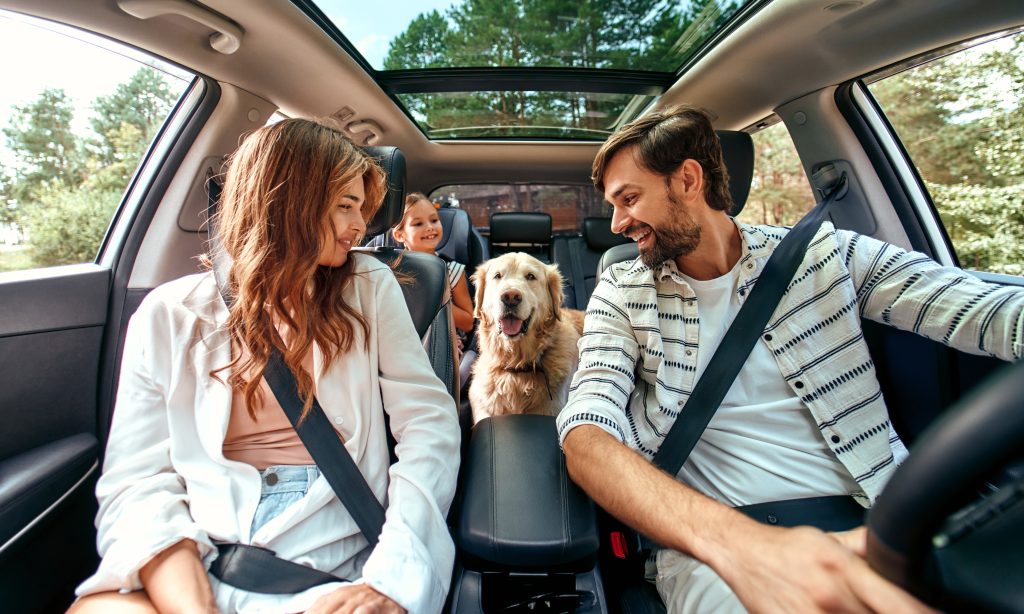
Moving is an exciting but also a stressful and physically demanding task, especially if it’s long distance. Moving with a pet is even trickier. There are several different requirements for moving a pet, and more planning and preparation is usually necessary.
If you’re moving soon and need help keeping your precious pet safe, happy, and unstressed, the information below is gold! It’s a list of 9 stress-reducing tips for moving with a pet, brought to you by NSA Storage. Read on to discover how to keep your fur, fin, or feather-baby happy while moving to your new home!
1. Pet Preparation is Key
Preparing your pet for your upcoming move can help reduce their stress, and yours. A few of the ways you can do this include:
- Sticking to feeding, walking, and exercise routines you already have.
- Practicing with a crate if you’ll need one for the move. (Flying, long-distance driving, etc.)
- Put together an essentials bag with pet toys, snacks, meds, food bowls, etc.
2. Create a Quiet Space for Your Pet While the Actual Move is Happening
On the days the movers are there (packing, loading, and unloading) create a “safe space” for your pet. This can be anywhere that there’s less noise, commotion, and strangers. A spare bedroom or mud room work well, or in their crate with a light cover on top.
Be sure to place your pet’s favorite toys, bedding, and a snack in the space you create. You can also play some peaceful music or “white noise” to help your pet stay calm.
3. Provide Your Pet Plenty of Hydration and Ventilation
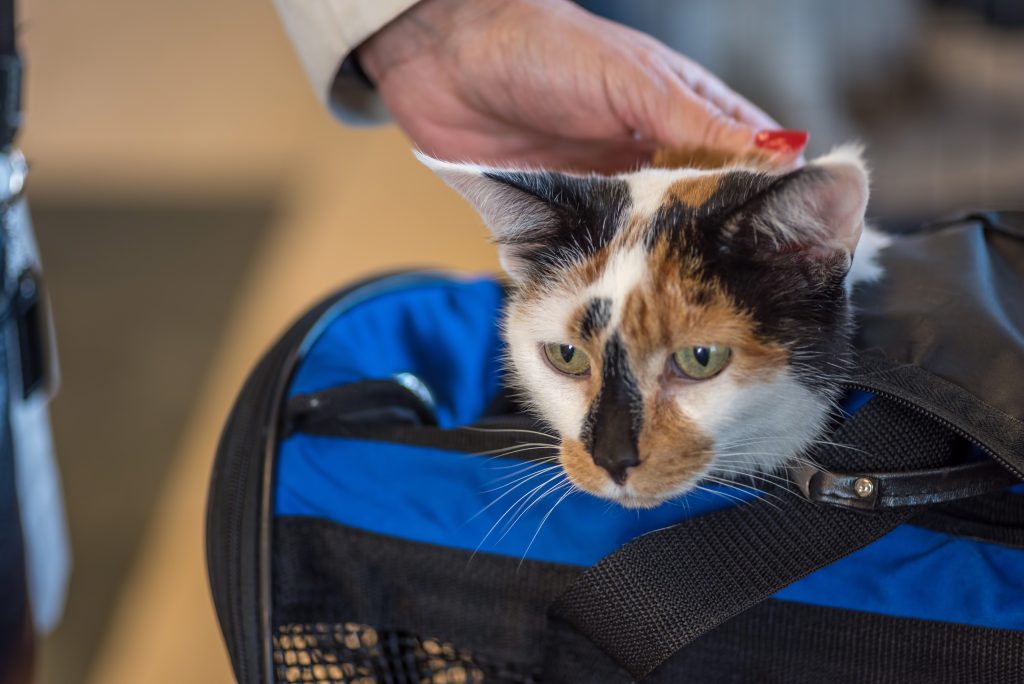
During the move, it’s important to keep your pet hydrated and ventilated. A dehydrated pet will be more stressed and uncomfortable. The same goes for one that’s too hot because there’s no air-flow. Here are a few tips to prevent problems caused by dehydration or heat:
- Have a water bottle or bowl handy at all times.
- Bring a small, battery-powered fan for in the car.
- If you’re driving long-distance to your new home, make frequent stops to let your pet drink and do their duty.
- Check frequently to make sure your pet is comfortable and happy.
4. Gather All Pet Supplies in One Box Before the Move Starts
The last thing you want if your pet is stressed is to have to search high and low for something they need. Their favorite toy, for example, or their meds, a snack, their leash, a blanket, etc.
To avoid this stressful situation, gather all your pet’s essential items and put them together in one box. (More than 1 if needed, but try to stick to just one.) That way, when your pet needs something, it will be easy and fast to find it.
5. Have Pet-Specific Safety Devices Available and Ready
It’s critical that you keep your pet safe while traveling to your new home. This is especially true if you’re driving a long distance, or flying to your new town. Some of the devices you might need include the following:
- A crate or pet carrier to keep your pet confined while traveling.
- A strong, long leash
- A specialized harness or seat belt.
- A shatter-proof, leak-proof tank or other container for fish
6. Consider Veterinarian-approved Calming Aids if Necessary
Many pets become highly stressed when their daily routine is changed or interrupted. Moving, not surprisingly, can cause a huge change to this routine, and thus lots of pet stress.
If you know your pet gets anxious or scared easily, a vet-approved calming aid might be a good choice. These are typically given to your pet a few hours before a stressful situation begins. Also, be sure to get them ahead of time to keep your stress level low.
7. Update Your Pet’s ID Tags
In the rush and commotion of moving many pets will run away and hide if they’re scared. This can happen at your old or new home, so have their ID tags updated right away when you arrive.
If your pet is “chipped” and has a microchip for identification, update the information connected to the chip. That includes your new:
- Address
- Phone number
- Contacts
- Veterinarian
8. On Moving Day, Don’t Give Your Pet a Big Meal
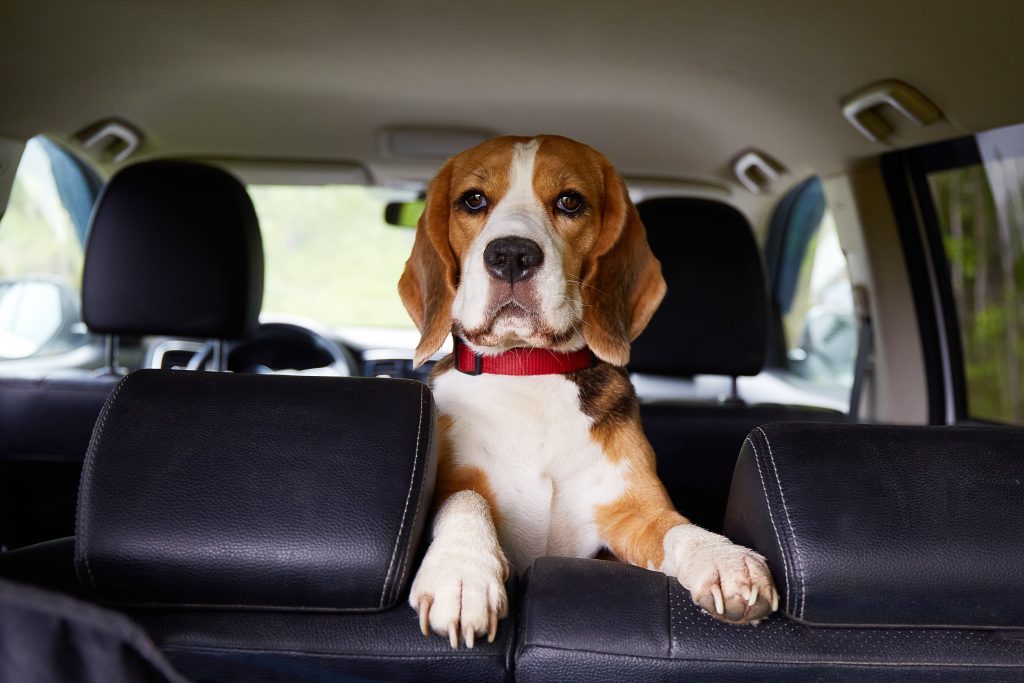
Many pets don’t do so well in a moving vehicle, and will become queasy and possibly vomit. To reduce the risk of this happening, feed your pet less than usual on moving day. That way, if they do get sick, there will be less chance they will make a huge mess.
9. Ask Your Vet for Copies of Your Pet’s Health Records
Not all pets have veterinarian records, it’s true. (We’re looking at you, Mr. Goldfish.) For those pets that do, however, it’s important to have their records to give to your new vet if needed. That can include:
- Vaccination records
- X-rays if they’ve ever been injured
- A list of their medications
- Any other health records of note
Helping Your Pet Acclimate to Their New Home
Once you’ve arrived, you’ll need to help your pet get used to their new surroundings. Here are a few tips to do just that:
- Start with one room and place their food, bed, toys, etc. there.
- Stick to your normal feeding and walking routines.
- Stay calm and patient with your pet. Pets can often sense your stress, which can make them stressed.
Let NSA Storage Help with Your Move
Moving is already stressful but, with a pet, can be even more so. The tips provided today should help you to help your pet stay calm, happy, and safe. That way, everyone arrives at your new home with a smile on their face.
If for any reason you need storage space while moving, NSA Storage is ready to help. Our clean, safe storage units can be found across the United States, providing secure storage for almost anything. You can reserve a storage unit online today and it will be ready when you arrive. Happy moving!